Uncovering the Mysterious Origins of Marselha Tarot Cards: A Journey into the Unknown History
- universo_tarot Universo Tarot
- Dec 25, 2024
- 3 min read

The history of tarot cards is filled with captivating stories, and among the various tarot decks, the Marselha Tarot truly shines with its deep roots and unique artwork. Known for its bold imagery, this deck has shaped the experiences of countless tarot readers. Today, it remains a popular choice for anyone exploring divination and personal insight. Let’s explore the fascinating history of the Marselha Tarot and what makes it so special.
The Birth of Tarot
The journey of tarot cards began in the 15th century in Europe. Initially, tarot decks served more as game cards than tools for divination. The first documented tarot decks were commissioned by affluent Italian families, showcasing lavish illustrations that mirrored the artistic trends of their era.
By the late 1700s, however, tarot began to shift toward spiritual use. This transformation sparked a growing interest from mystics and scholars, paving the way for diverse tarot traditions, including the Marselha Tarot. The late 18th century marked a significant turning point, as people began to view these cards through a divinatory lens.
Origins of Marselha Tarot
The Marselha Tarot hails from Marseille, France, and is one of the oldest tarot traditions still in use today. Its defining style emerged in the 17th century, becoming popular for its vibrant imagery and clear symbolism. Unlike other decks that became increasingly intricate, the Marselha Tarot features a more minimalistic design.
Artisans in Marseille hand-crafted the earliest known decks, making each card a unique work of art. These early creations often integrated elements from local culture, folklore, and mystical traditions, ensuring that every card told a story reflective of its origins.
Artistic Characteristics of Marselha Tarot
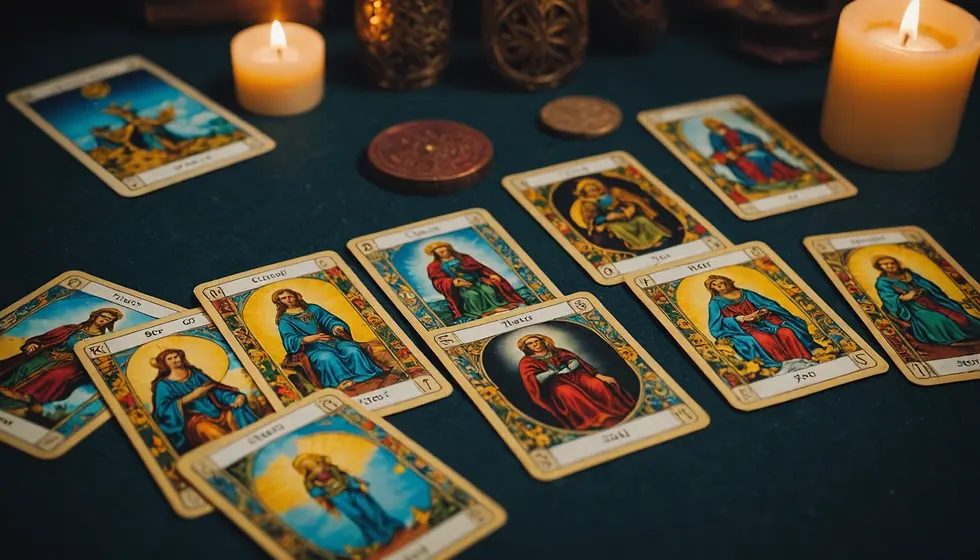
One of the standout features of the Marselha Tarot is its striking artwork. This deck is known for its bold color palette, geometric forms, and a straightforward approach to imagery. For example, the card depicting The Fool is brightly colored and represents potential and new beginnings, while The Magician symbolizes skill and creativity.
Rather than overwhelming users with details, these symbols allow for personal exploration. A study from the Tarot Association found that 72% of readers preferred decks that encourage intuitive interpretations, which is precisely what the Marselha Tarot offers.

Influence on Modern Tarot Practices
The influence of the Marselha Tarot is evident in many contemporary tarot practices. During the 19th and 20th centuries, as tarot gained traction, many new decks referenced its basic imagery and themes. A notable example is the Rider-Waite-Smith Tarot, which drew heavily on the archetypes from the Marselha deck for its own interpretations.
Furthermore, the simplicity of the Marselha Tarot fosters a deeper personal connection to its symbols. Readers often find that using this deck allows them to navigate readings more intuitively, leading to more meaningful sessions.
The Resurgence of Interest
Recently, interest in the Marselha Tarot has surged. Many practitioners are returning to its roots, valuing the deck's straightforwardness and authenticity.
Various workshops, online courses, and publications focused on the Marselha Tarot have gained popularity. Artists continue to reimagine the Marselha style, creating fresh interpretations that respect its heritage while inviting new audiences to experience its wonders.

Understanding the Tarot Spread
When using the Marselha Tarot, the approach to tarot spreads is often simple and impactful. Many readers favor classic layouts, such as the three-card spread, which offers insights into past, present, and future scenarios. This straightforward method is popular because it encourages clear and concise interpretations.
Another commonly used spread is the Celtic Cross, which explores complex questions and potential outcomes. The clarity of the Marselha Tarot complements these spreads, providing nuanced insights that can significantly enhance readings for both the reader and the querent.
The Marselha Tarot Today
Today, the Marselha Tarot is recognized as more than just a deck of cards; it represents a blend of history and modern spirituality. Enthusiasts and seasoned tarot readers alike appreciate the deck’s authentic portrayal of tarot’s origins, making it a top choice for many.
Community events and online resources have flourished, encouraging discussions about the Marselha Tarot’s unique contributions. Furthermore, digital platforms offer valuable tools like tutorials, card interpretations, and apps designed for virtual readings.
A Journey into the Mystical
The Marselha Tarot embodies a rich blend of history, artistry, and spiritual significance. Its continued popularity encourages individuals to tap into their intuition and explore their personal journeys.
As we uncover the stories woven into these tarot cards, the Marselha remains a cherished link between past and present. Whether you are a long-time tarot enthusiast or just beginning your exploration, the Marselha Tarot can lead to transformative experiences that connect you deeply with its rich history and with yourself.




Comments